


















Partner at birth: How the support person can really help
How can the partner help during birth? The most helpful companion is one who clarifies wishes and boundaries beforehand, remains calmly present during birth, pays attention to the birthing person's signals, and takes on practical tasks. They should neither direct the birth nor try to make it "right". Closeness, reliable communication, and the willingness to adapt plans are usually more important than perfect breathing instructions.
What support during birth really means
The World Health Organization recommends a companion of choice during labor and birth. The key is the birthing person's choice: the partner, the other parent, a friend, a family member, or another trusted person can accompany. The German Federal Institute for Public Health describes the task primarily as being present, responding to the birthing person's needs, and communicating calmly with the midwife.
This takes a lot of pressure out of the situation. The companion is neither a substitute for medical professionals nor the project manager in the delivery room. They are a trusted constant in a situation whose course can only be limitedly planned. What feels good at one stage can be bothersome ten minutes later. That is why the most important question is not "What should I do now?", but: "What do you need from me right now?"
Before birth: five things to clarify together
1. Decide voluntarily on presence
Birth support should be voluntary for both parties. Talk honestly about whether the desired person really wants to be in the birth room and whether the pregnant person feels safe with them. A second trusted person or a change of companion can also make sense, provided the place of birth allows it.
2. Discuss wishes and boundaries
Clarify what form of closeness is normally comfortable: holding hands, massage, talking calmly, or preferably as little contact as possible. Also discuss boundaries. Does the birthing person want the companion to stay at the head end? Should they pay particular attention to privacy during examinations? Who informs the family?
A birth plan with wishes and alternatives can help structure these conversations. It is a guide, not a script.
3. Get to know the planned place of birth
Ask the clinic, birth center, or midwife about the current rules: How many companions are allowed? Where do you check in? What documents should you bring? Are there restrictions on photos or videos? Such questions can be clarified more calmly beforehand than during labor.
4. Pack a small supply of your own
Births can take a long time. The companion therefore needs drinks, simple snacks, light clothing, a charging cable, and, if necessary, medications they regularly need. By taking care of their own basic needs, they are more likely to remain responsive and resilient. The separate hospital bag checklist for birth helps with packing the joint documents and baby items.
5. Agree on a Plan B
Designate a backup person and the most important phone numbers. Also discuss what should happen if the companion needs a break or medical staff asks for space at short notice. A Plan B is not a bad sign, but creates peace of mind.
During birth: act helpfully without being overbearing
| Situation | Helpful | Rather avoid |
|---|---|---|
| The contractions are becoming more intense | Stay calm, offer closeness, slow down breathing together if desired | Unsolicited commands or judgments like "You need to relax" |
| The birthing person changes their mind | Take new wishes seriously and discuss them with the team | Insist on the original plan |
| There are waiting times | Protect peace, reduce light and noise, take on small practical tasks | Spread restlessness or constantly send messages to others |
| Something is unclear | Ask politely in a quiet moment and request a clear explanation | Decide for the birthing person or interrupt the team confrontationally |
| The course changes | Stay with the birthing person, listen, and ask what is needed now | Focus on disappointment about the changed plan |
Practical support
- Hand over water or a washcloth, if the birth team allows it.
- Support with changing positions without pulling or pushing.
- Keep an eye on the jacket, documents, phone, and bag.
- Know the agreed wishes and state them calmly when asked.
- Keep visitors and the family chat at a distance until after birth.
Emotional support
Short, honest sentences often work better than motivational speeches: "I am here", "We will take the next step together", or "Tell me if you want peace or closeness." Some birthing people want eye contact and touch, others need space. A no is not a rejection, but clear information for the moment.
Communication with the midwife and medical team
The companion can help collect questions, remind of wishes, and ask for a clear explanation. However, they do not make medical decisions instead of the birthing person. In case of uncertainty: ask, listen, and respect the professional responsibility of the team. If rapid action is necessary, it may be that conversations are only possible afterward.
If birth takes a different course than planned
A birth plan can provide guidance, but cannot guarantee a specific form of birth. If a vacuum extractor, cesarean section, or other measure becomes necessary, the most important task remains the same: be calmly responsive and convey to the birthing person that they are not alone. Ask the team where the companion can stand and what they can do specifically.
The first hours: organize peace instead of making a program
Immediately after birth, the care of mother and child and the initial examination of the newborn are the focus. The U1 examination takes place directly after birth and primarily checks vital functions. The companion can now remain calm, write down questions, keep important things ready, and only send messages to relatives after prior agreement.
Even now: Not everything has to be photographed, shared, or decided immediately. A quiet moment, a drink, and sorting the bags can be more valuable than a perfect first family photo.
Four practical companions for the hospital and the first baby time
None of these products is required for a good birth. However, they can help to take documents and baby items organized or to capture memories later in peace.

Mom Bag Pure Olive
A spacious bag for clothing, documents, and things that should be at hand after birth. Available with or without a name; the product photo shows an example personalization.
View Mom Bag
Miffy Changing Mat Olive Green
A foldable mat for the first time on the go. It matches the color of the hospital bag and is also personalizable.
View Changing Mat
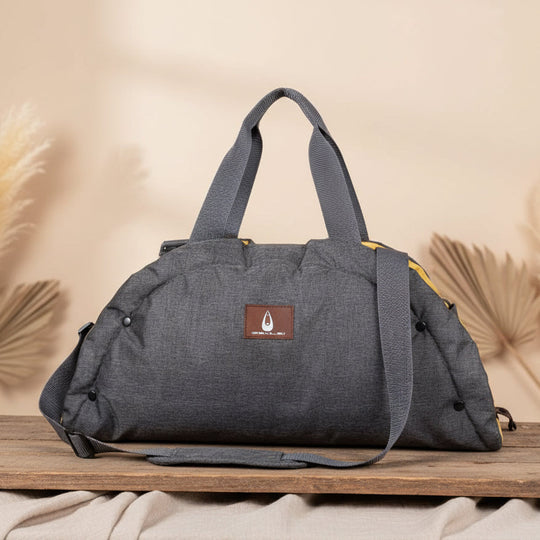
Sailors Bay Diaper Bag
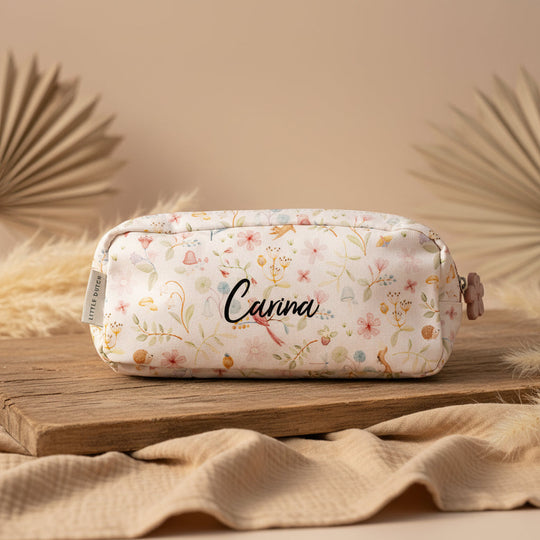
For a few diapering essentials that should not lie loose in the large bag. A small organizational aid for the hospital and the way home.
View Diaper Bag
Baby Diary "My First Year"
For notes and memories when some peace has returned after birth. Not an item on the delivery room to-do list, but a later, voluntary place for memories.
View Baby DiaryTypical mistakes of companions
- Defending your own plan: Wishes may change during birth.
- Talking constantly: Presence can also mean sitting quietly beside them.
- Touching without asking: Massage is only helpful if it is currently desired.
- Using the family chat: External communication should not determine the peace in the birth room.
- Ignoring your own boundaries: Anyone who feels circulatory problems, strong anxiety, or overwhelm should inform the team and take a short break in consultation.
A short checklist for the companion
- Discuss wishes, boundaries, and Plan B together.
- Check the rules and directions to the place of birth.
- Pack your own snacks, drinks, light clothing, and charging cable.
- Keep important documents and the bag easily accessible.
- In the delivery room, ask what feels good right now.
- Protect peace and privacy.
- In case of uncertainty, politely address the birth team.
- Accept changes without evaluating them as a defeat.
- After birth, only send messages after agreement.
- Also take your own strain seriously and talk about the experience later.
Conclusion
The partner or another companion helps most during birth through reliable, flexible presence. Good support is not a competition and not a medical task. Anyone who is prepared, listens, takes on practical little things, and respects the decisions of the birthing person creates something particularly valuable: the feeling of not being alone in an intense and unpredictable situation.
Frequently Asked Questions
Does the partner have to be present at birth?
No. The decision should be voluntary and follow the wishes of the birthing person as well as the boundaries of the companion. A friend, a family member, or another trusted person can also accompany.
What can the companion do specifically during labor?
They can create peace, hand over water, offer desired touch, help with changing positions, and say short encouraging sentences. The key is to ask again and again what is helpful right now.
Should the partner speak to the team for the birthing person?
They can ask questions, remind of discussed wishes, and ask for clear explanations. However, they should not take over decisions without asking or replace the communication between the birthing person and the medical staff.
What should the partner pack in the hospital bag?
Own drinks and snacks, comfortable light clothing, a charging cable, personal medications, and important phone numbers are useful. The specific rules of the place of birth should be checked beforehand.
What if the companion is overwhelmed in the delivery room?
They should address it openly. After consultation with the birthing person and the team, a short break can help. Strong strain after birth may also be taken seriously and discussed professionally.
Can the companion be present at a cesarean section?
This depends on the medical situation and the rules of the clinic. In many clinics, a companion is possible at a cesarean section, but with general anesthesia or acute situations, it may be different. The place of birth clarifies this definitively.
When should the family be informed about the birth?
It is best for the couple to decide beforehand who receives which message when. During birth, external communication should not distract from the support in the room; after birth, care, peace, and getting to know each other take precedence.
Sources and professional guidance
- German Federal Institute for Public Health: Father and Co-Mother – Birth Preparation
- German Federal Institute for Public Health: Being Present at Birth
- World Health Organization: Companion of choice during labour and childbirth
- BIÖG kindergesundheit-info.de: U1 examination after birth
Research status: October 4, 2026. This post does not replace individual advice from a midwife, female doctor, or male doctor.
